Countering disputes on Skool (for admins)
Note: Skool doesn’t participate in the decision-making process for dispute outcomes.
Responding to disputes
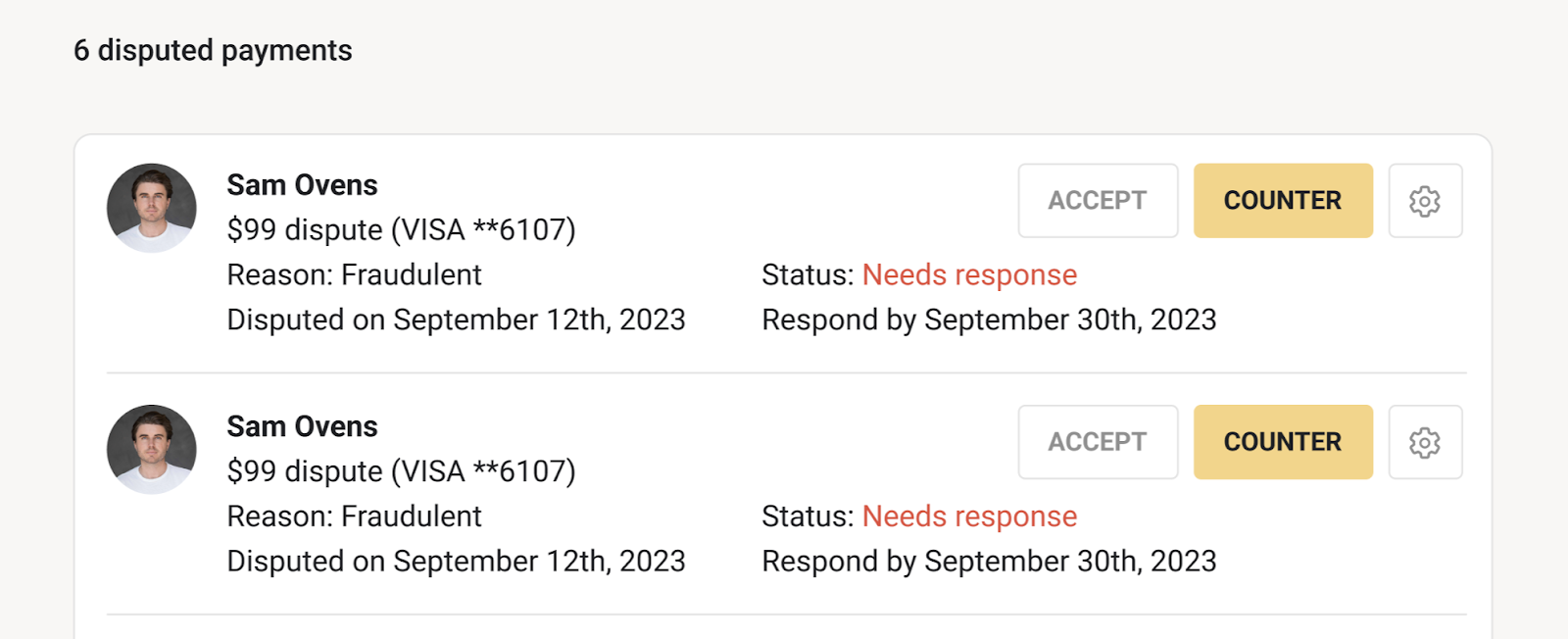
When a customer disputes a charge with their bank, you have an opportunity to provide evidence supporting the transaction and demonstrating its validity. Putting together a clear, well-prepared response can make a real difference and may help you recover the disputed funds. The ability to counter the dispute is made available depending on whether it can be countered.
The dispute process (what usually happens):
- Customer disputes the charge: They contact their bank, claiming an issue with the transaction.
- Bank initiates chargeback: The disputed amount and a dispute fee are withdrawn from the creator fund (payout balance).
- You're notified: Skool shows you a notification with a deadline to respond.
- Gather and submit evidence: You have a limited time, usually 2 weeks. We recommend spending a week or less to gather the info needed to counter.
- Bank review: After the submission of counterevidence, the bank reviews the evidence from both parties. This takes 6 weeks. This cannot be expedited.
- Outcome:
- You win: The disputed amount and dispute fee are returned.
- Partial win: Some of the disputed amount was returned.
- Cardholder wins: Your fund amount has already been deducted, so nothing further will happen.
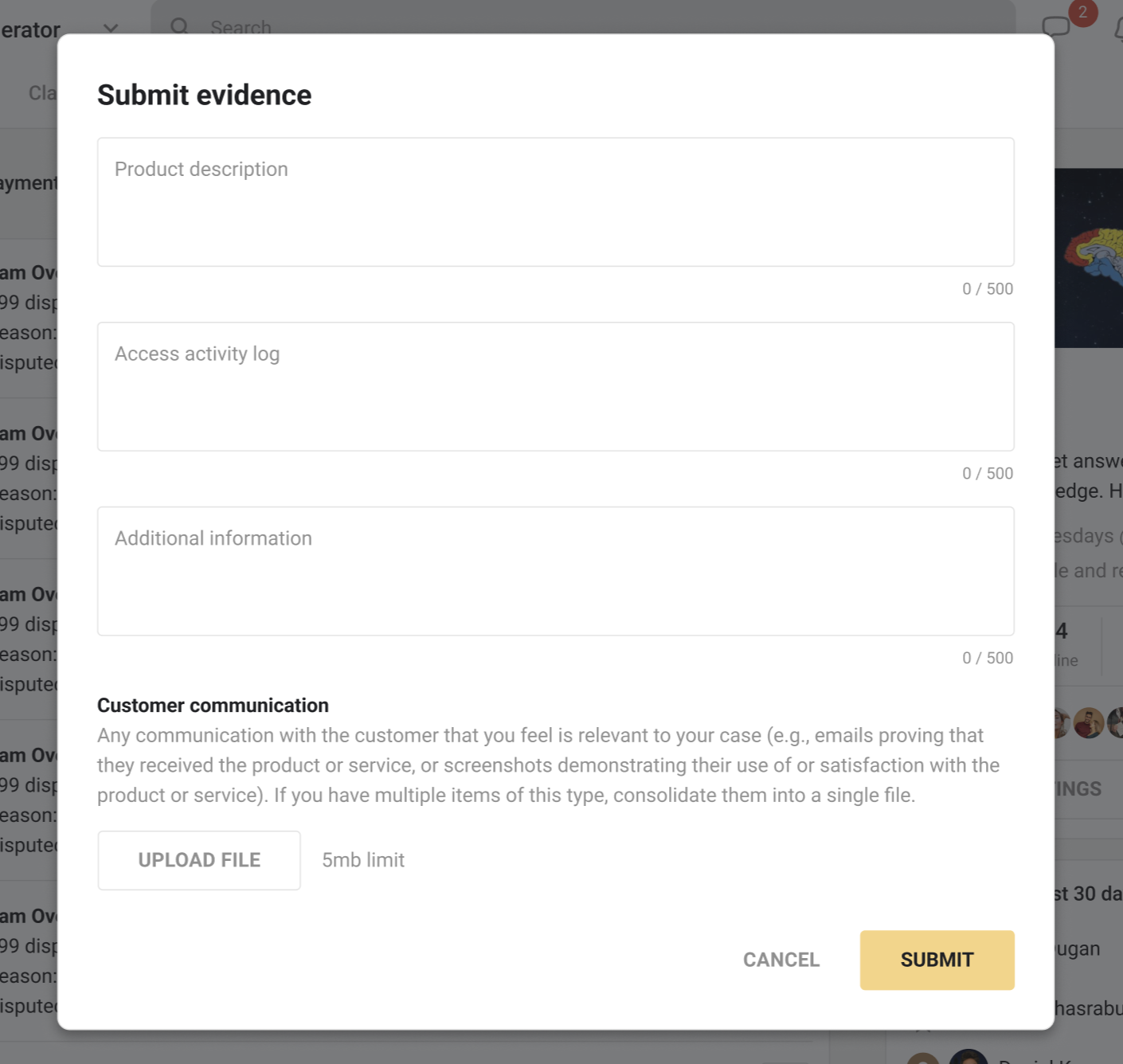
What needs to be submitted by the group owner or the billing manager:
Product description: Describe your program deliverables.
Access Activity: Their contributions, like posts and comments, as well as their daily activity. The member should be listed in the Churned section of the Members tab, but you can typically find their activity by searching their full name.
Additional Information: If you want to add any off-platform details, you can add them in the additional details section.
The deciding factor is mainly the customer communication. Other evidence is supplementary.
Dispute fee: $15 (non refundable)
Counter dispute fee: $15 (refundable upon winning the dispute)
The warning process:
Warnings work similarly, but the payout balance isn't affected during investigation.
- The member disputes the charge and contacts the bank to inquire about it.
- The bank sends an inquiry: No funds have been withdrawn.
- You're notified of the inquiry: You'll see a notification.
- We recommend either issuing a refund (or asking Skool Support to issue one on your behalf), which will close the inquiry. You can even reach out to the member to request withdrawal of the inquiry, since it may have been initiated inadvertently on their end.
Considerations when managing disputes:
- Final decisions: After the bank or credit card company rules on a dispute, there's no appeal process, and the decision is final. Skool has no oversight into this.
- Currency exchange: When a customer's payment method is in a different country, the disputed amount is subject to exchange rates.
- Dispute rates: Skool monitors groups with high disputes. Keeping them low ensures smoother payment processing.
Withdrawl:
- Withdrawal certificate: If a member inadvertently initiates a dispute, they may be asked to withdraw it. Banks usually provide a withdrawal certificate, which they can then provide as evidence while countering. This ensures that the dispute is resolved in the creator's favor.
- Customer communication: If the member is not able to get the certification, the customer communication can also be shared as counter-evidence for banks to consider resolving the dispute in the creator's favor.
Recommendations:
- The goal is not to get to a stage of dispute in the first place. If the customer contacts you about a refund, it makes sense to resolve it amicably through negotiation. Or issuing a full or partial refund.
- It's best to add every support channel to one page so the members can initate conversation with you or the admins.
- For annual renewals, if you see members haven't been online for a while, it's recommended to initate a conversation to touch base with the member so as to proactively open a conversation channel.
Note: There will be a few types of disputes that don't allow countering. Those are handled differently, either by showing a warning or by reversing them directly from the bank's end. Direct reversal often occurs in fraud cases.